Answer: VERO

Right-of-Way Signs — Practice Question 39

Official exam text (Italian):

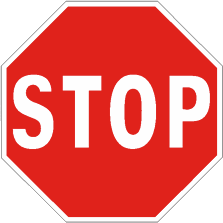
Il segnale raffigurato obbliga a fermarsi in corrispondenza della striscia trasversale di arresto e a dare la precedenza agli altri veicoli
1 / 18

Il segnale raffigurato obbliga a fermarsi in corrispondenza della striscia trasversale di arresto e a dare la precedenza agli altri veicoli

 Il segnale raffigurato obbliga a fermarsi in corrispondenza della striscia trasversale di arresto e a dare la precedenza agli altri veicoli
VERO
FALSO
Correct!
Next
Explanation
The depicted sign requires stopping at the transverse stop line and giving way to other vehicles
Practise Patente B quiz questions in the Driving Freedom app: the exam simulator, the quiz dashboard with chapter quizzes and weak-spot practice, and an audio lesson in English

Study the whole theory course in the Driving Freedom app

Bilingual audio lessons that teach the rules behind the questions, not just the answers.

Driving Freedom gives you 6,700+ Patente B exam practice questions, with explanations in English, Persian and Arabic. Download the app and start today.


Download on the App StoreGet it on Google Play

Read this in another language:

Right-of-Way Signs — Practice Question 39

The depicted sign requires stopping at the transverse stop line and giving way to other vehicles

Read the full explanation of this topic →
← Previous questionNext question →

Related questions

VERO Il segnale raffigurato impone di arrestarsi e dare la precedenza prima di impegnare l'incrocio VERO Il segnale raffigurato obbliga ad arrestarsi all'incrocio e a dare la precedenza a destra e a sinistra VERO Il segnale raffigurato impone di fermarsi all'incrocio anche in presenza di semaforo a luce lampeggiante gialla VERO Il segnale raffigurato si trova all'incrocio con una strada con diritto di precedenza VERO Il segnale raffigurato si trova, in genere, negli incroci con scarsa visibilità VERO Il segnale raffigurato, fuori dei centri abitati, è preceduto dal relativo segnale di preavviso VERO Il segnale raffigurato è utilizzato, di norma, negli incroci di particolare pericolosità VERO Il segnale raffigurato può trovarsi in corrispondenza di un passaggio a livello
See all questions in Fermarsi e dare precedenza (STOP) →