Right-of-Way Signs — Practice Question 8
Official exam text (Italian):
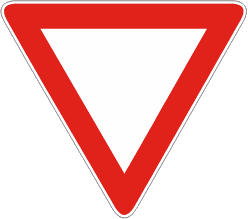
In presenza del segnale raffigurato non occorre fermarsi all'incrocio se, rallentando, si ha modo di vedere che non vi sono veicoli in arrivo, sia da destra che da sinistra

Study the whole theory course in the Driving Freedom app
Bilingual audio lessons that teach the rules behind the questions, not just the answers.
Driving Freedom gives you 6,700+ Patente B exam practice questions, with explanations in English, Persian and Arabic. Download the app and start today.


Read this in another language:
Right-of-Way Signs — Practice Question 8
In the presence of the depicted sign, it is not necessary to stop at the intersection if, by slowing down, it can be seen that no vehicles are approaching from either the right or the left
علائم حق تقدم — سوال تمرینی شماره 8
صحیح: «در صورت وجود علامت نشان داده شده، نیازی به توقف در تقاطع نیست اگر با کاهش سرعت بتوانید ببینید که هیچ وسیله نقلیهای از سمت راست یا چپ در حال آمدن نیست.»
إشارات الأولوية — سؤال تدريبي رقم 8
عند وجود الإشارة الموضحة، لا يلزم التوقف عند التقاطع إذا كان تخفيف السرعة يسمح بالتأكد من عدم وجود مركبات قادمة، سواء من اليمين أو من اليسار
Segnali di precedenza — Domanda di pratica 8
In presenza del segnale raffigurato non occorre fermarsi all'incrocio se, rallentando, si ha modo di vedere che non vi sono veicoli in arrivo, sia da destra che da sinistra